



Social anxiety can make everyday interactions feel overwhelming, from meeting new people to speaking in public or attending social gatherings. Understanding the roots of this anxiety and learning practical strategies can help build confidence and ease discomfort over time.
Understanding Social Anxiety
Social anxiety often stems from fear of judgment, embarrassment, or rejection. It can manifest as physical symptoms such as sweating, trembling, or a racing heart, and emotional symptoms like self-consciousness or dread before social events. Recognizing these patterns is the first step toward managing them.
If you struggle with social anxiety, you aren’t broken—you’re just operating with a sensitive radar. Here is how you can manage that anxiety and reclaim your social confidence.
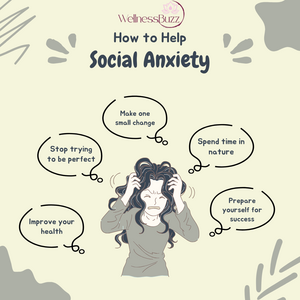
1. Shift Your Focus Outward
When we are anxious, we tend to become hyper-fixated on ourselves: “Is my voice shaking? Did I just say something stupid? Are they staring at me?” This internal spotlight is exhausting and only fuels the anxiety.
The Fix: Practice “external focus.” When you walk into a room, pick three things to observe that have nothing to do with you. Notice the color of the curtains, the texture of the appetizers, or the music playing in the background. By shifting your attention to your environment, you get out of your own head and into the moment.
2. Challenge the “Spotlight Effect”
The Spotlight Effect is a cognitive bias where we believe people are paying way more attention to our flaws and actions than they actually are. The truth? Most people are so occupied with their own insecurities and thoughts that they barely notice that awkward pause you took or that slight stumble over your words. Realizing that you aren’t the center of everyone’s scrutiny is incredibly liberating.
3. Ditch the “Perfect Performance”
Social anxiety often stems from a perfectionist desire to be charming, witty, or impressive. You feel as though you have to “perform” to be accepted.
The Fix: Aim for “authentic” rather than “impressive.” Give yourself permission to be unpolished. When you let go of the need to be perfect, you lower the stakes. If you say something silly, lean into it. Humor is the ultimate social lubricant—laughing at yourself shows confidence and disarms the potential for judgment.
4. Start Small with “Micro-Exposures”
Avoidance is the fuel that keeps social anxiety burning. The more we avoid social situations, the scarier they become. Instead of diving into the deep end, try “micro-exposures.”
- Say “hello” to the barista.
- Ask a coworker a simple question about their weekend.
- Attend an event for just 20 minutes with an exit strategy.
By proving to your brain that you can survive small interactions, you build the “evidence” you need to tackle larger ones.
5. Ground Yourself in the Present
Anxiety lives in the future (“What if I mess up?”) or the past (“I sounded so dumb when I said that”). Your physical body, however, only lives in the present.
If you feel your pulse rising, use the 5-4-3-2-1 technique:
- Identify 5 things you can see.
- 4 things you can touch.
- 3 things you can hear.
- 2 things you can smell.
- 1 thing you can taste.
This forces your nervous system to switch from “fight or flight” mode to “rest and digest” mode.
6. Practice Self-Compassion
Finally, treat yourself with the same kindness you would offer a friend. You wouldn’t tell a friend they’re “hopeless” because they’re nervous at a dinner party. Why say it to yourself? Acknowledge the anxiety, validate that it’s uncomfortable, and remind yourself: “I am safe. I am allowed to be here. I don’t have to be perfect to be worthy of connection.”
The Bottom Line
Managing social anxiety isn’t about becoming an extrovert overnight or never feeling nervous again. It’s about building a toolkit that allows you to participate in life, even when your heart is racing.
Next time you head into a social situation, remember: you don’t need to be the most interesting person in the room. You just need to be present. You’ve got this.
Are you currently working on social anxiety? Share your favorite grounding techniques in the comments below—you might help someone else feel a little less alone.


Leave a Reply