



Stay fit at your desk. Your guide to beating the slump, boosting energy, and protecting your body—without ever leaving your chair.
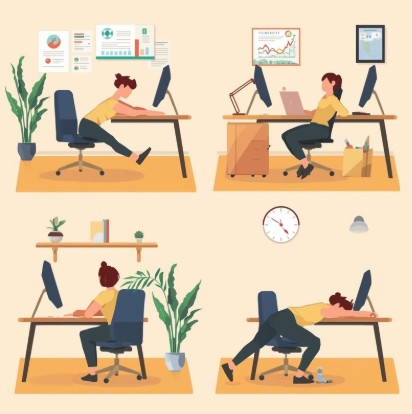
Why Desk‑Side Exercise Matters
Most of us spend 6‑10 hours a day glued to a screen, hunched over a keyboard, and perched on a chair that wasn’t designed for marathon work sessions. That lifestyle brings a predictable set of problems:
- Neck & shoulder tension – caused by constant forward head posture.
- Tight hip flexors – the result of sitting with legs bent for hours on end.
- Lower‑back fatigue – from a lack of spinal movement and core activation.
- Reduced circulation – leading to “couch‑potato” fatigue and even blood‑clot risk.
The good news? You don’t need a gym membership or a spare 30‑minute block to counteract these effects. A few minutes of intentional movement—performed right at your desk—can:
- Re‑activate dormant muscles (glutes, core, upper back).
- Increase blood flow to the brain, sharpening focus and creativity.
- Release tension in the neck, shoulders, and lower back, reducing pain.
- Boost mood by triggering endorphin release.
Below are seven research‑backed, office‑friendly moves you can slip into any meeting, coffee break, or “quick email” interval. No equipment required, no special clothing—just a willingness to move.
1️⃣ Seated Cat‑Cow Stretch (2‑3 reps)
What it does: Mobilises the thoracic spine, loosens the chest, and engages the core.
How to do it:
- Sit tall, feet flat on the floor, hands on your knees.
- Cat – Inhale, roll your shoulders forward, and gently round your back, pulling your belly button toward your spine.
- Cow – Exhale, open your chest, lift your sternum, and let your belly dip slightly.
- Flow between the two positions, matching breath to movement.
Tip: Keep the motion slow; the goal is to feel a subtle stretch, not a bounce.
2️⃣ Desk‑Side Chair Squats (8‑10 reps)
What it does: Reactivates glutes and quads, combats “desk‑butt” fatigue, and promotes better posture.
How to do it:
- Stand a few inches behind your chair, feet hip‑width apart.
- Lower yourself just until your hips lightly touch the seat—don’t sit fully.
- Push through your heels to stand back up, squeezing your glutes at the top.
- Keep your core engaged and chest lifted throughout.
Modification: If you have a high‑back chair, use the backrest for a gentle guide—let it tap your hips on the way down.
3️⃣ Shoulder Blade Squeezes (10‑12 reps)
What it does: Counteracts the forward‑shoulder slump that comes from typing and mouse‑dragging.
How to do it:
- Sit or stand with arms relaxed at your sides.
- Pull your shoulder blades together as if you’re trying to hold a pencil between them.
- Hold for 3‑5 seconds, then release.
- Repeat, focusing on an even, controlled motion.
Pro tip: Pair this with a deep inhale—expand the rib cage as you squeeze, then exhale as you release.
4️⃣ Desk‑Supported Hip Flexor Lunge (30‑seconds each side)
What it does: Stretches the hip flexors and quads, which get chronically shortened from sitting.
How to do it:
- Place one foot on the floor next to the chair.
- Slide the opposite leg back, resting the knee on the floor (or on a folded towel for comfort).
- Gently shift your hips forward while keeping the torso upright.
- You should feel a stretch in the front of the back leg’s hip. Hold, then switch sides.
Safety note: Keep the front knee directly over the ankle, never letting it drift past the toes.
5️⃣ Seated Torso Twist (5‑8 reps per side)
What it does: Improves spinal rotation, aids digestion, and relieves lower‑back tension.
How to do it:
- Sit tall, feet grounded.
- Place your right hand on the back of the chair, left hand on your right knee.
- Inhale, lengthen the spine; exhale, gently twist toward the right, looking over your shoulder.
- Hold for 2‑3 breaths, then return to center and repeat on the other side.
Optional: Use a small, firm object (a water bottle) on the floor behind you for extra support if you’re new to twisting.
6️⃣ Wrist & Finger Extensor Stretch (30‑seconds each hand)
What it does: Prevents carpal tunnel symptoms and eases the “typewriter” stiffness in the forearms.
How to do it:
- Extend one arm forward, palm down.
- With the opposite hand, gently pull the fingers back toward you, feeling a stretch along the wrist and forearm.
- Hold; then flip the palm up and repeat the pull for the extensors.
- Switch arms.
Pro tip: Do this after every 30‑minute typing block—your hands will thank you.
7️⃣ Desk‑Chair Calf Raises (15‑20 reps)
What it does: Stimulates circulation in the lower legs, prevents “leg‑numb” episodes, and engages the posterior chain.
How to do it:
- Stand behind your chair, holding the backrest for balance.
- Rise onto your tiptoes, squeezing your calf muscles at the top.
- Slowly lower heels back to the floor.
- Keep the movement controlled; avoid bouncing.
Bonus: Add a quick 30‑second “toe‑to‑heel walk” across the office floor for extra ankle mobility.
How to Integrate the Moves Into a Real‑World Day
| Time Slot | Move(s) | Duration |
|---|---|---|
| Morning arrival | Cat‑Cow, Shoulder Blade Squeezes | 2 min |
| Post‑meeting | Seated Torso Twist, Wrist stretch | 2 min |
| Mid‑afternoon slump | Chair Squats, Calf Raises | 3 min |
| Pre‑lunch walk | Hip‑Flexor Lunge, Torso Twist | 4 min |
| End‑of‑day wrap‑up | Full set (all 7) | 5‑7 min |
Pro tip: Set a recurring calendar reminder titled “Desk‑Fit Break.” Even 2‑minute micro‑sessions add up to 30+ minutes of movement by day’s end—a small, sustainable investment in your health.
Ready, Set, Move!
Your desk isn’t a prison—it’s a launchpad for quick, effective movement. By incorporating these seven exercises into your daily workflow, you’ll protect your body, sharpen your mind, and set a positive example for coworkers.
Take the first step right now:
- Stand up, place your hands on the chair back, and do 5 Cat‑Cow cycles.
- Feel the difference? Great. Bookmark this post, set a calendar reminder, and watch your office routine transform—one move at a time.
Stay fit at your desk, stay focused, and keep those chairs moving! 🚀
If you found this guide helpful, share it with your team, leave a comment with your favourite desk exercise, or subscribe for more workplace wellness tips.


Leave a Reply