



Heightened Emotions – We’ve all been there: a disagreement spirals into a shouting match, a tense moment turns physical, or a heated debate leaves everyone crushed. In today’s fast-paced, polarized world, de-escalation isn’t just a conflict resolution skill—it’s a vital tool for preserving relationships, fostering understanding, and maintaining personal and professional harmony. The good news? De-escalating heightened emotions is a skill anyone can learn. Here’s how to do it with empathy and grace.
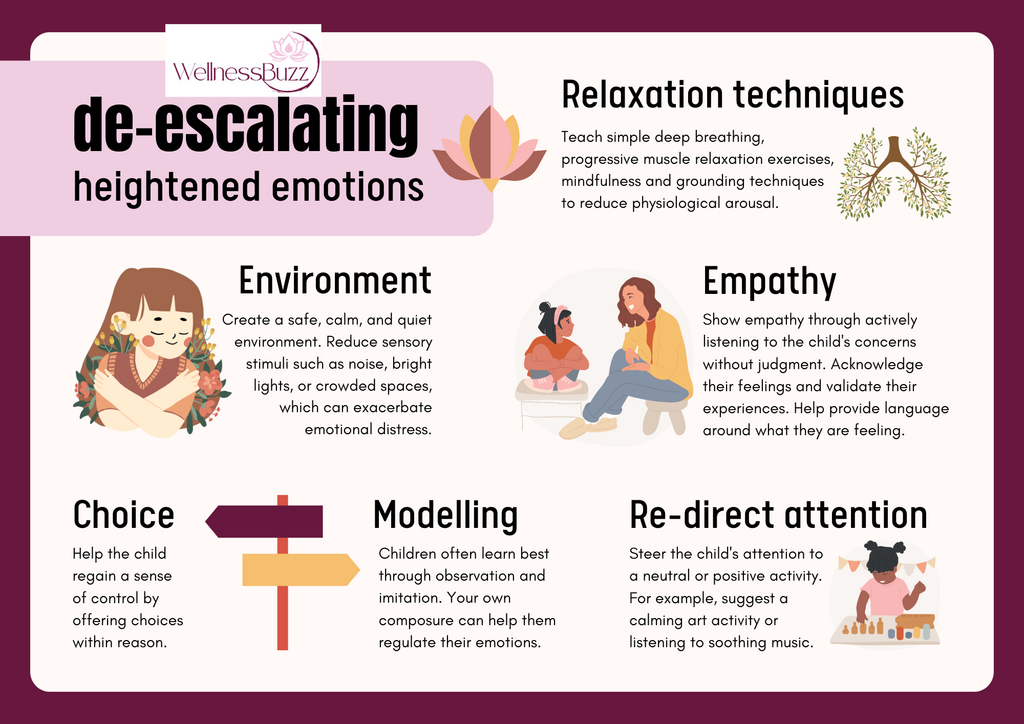
1. Stay Calm: Be the Anchor in the Storm
When someone is emotional, their amygdala (the brain’s “fight-or-flight” center) is likely in overdrive. Your first step is to become a steady presence. Take deep breaths, regulate your tone of voice, and avoid mirroring the other person’s intensity. If you react with equal heat, you become part of the problem. Instead, say something like, “I can see this is important to you. Let’s try to work through this together.” Your calmness can act as a reset button for the situation.
2. Practice Active Listening: It’s Not Just About Hearing Words
People rarely shout to be ignored. Active listening shows them they’re heard—not just their words, but their emotions. Nod, make eye contact (but not a stare), and paraphrase their points: “It sounds like you’re frustrated because…” This doesn’t require agreement, just acknowledgment. Often, people calm down once they feel validated.
3. Use Empathetic Language: Replace “But” With “And”
Words matter. Avoid dismissive phrases like, “You’re overreacting” or “It’s not a big deal.” Instead, validate their experience while expressing your perspective: “I understand why you’re upset, and here’s how I see it…” Replace “but” with “and” to avoid undermining their feelings. For example, instead of “I care about you, but this isn’t a problem,” try “I care about you, and let’s figure this out together.”
4. Non-Verbal Communication: Your Body Speaks Volumes
Crossed arms, narrowed eyes, or an aggressive posture can escalate tension. Keep your body open and relaxed. Maintain a comfortable distance, avoid sudden movements, and use a gentle, steady voice. If someone is raising their voice, mirror a calmer tone. Sometimes, simply not responding to provocation can give both parties time to reset.
5. Offer Solutions, Not Arguments
Once the immediate storm has passed, shift the focus from blame to resolution. Ask open-ended questions: “What do you think would help resolve this?” or “How can we prevent this from happening again?” If the situation feels unsolvable, propose a timeout: “Let’s take a break and come back to this in an hour.” The goal isn’t to “win” the conversation but to restore balance.
6. Know When to Step Back
Some situations—like domestic disputes, verbal abuse, or threats—require professional intervention. If safety is at risk, de-escalation alone won’t suffice. In such cases, prioritize well-being over resolution and seek help from authorities or trained mediators. Don’t force a conversation when someone is in a heightened state; sometimes the kindest response is removing yourself to let emotions subside.
Why This Works
De-escalation hinges on one core principle: humility. It’s recognizing that no one wants to feel misunderstood, angry, or trapped. By offering empathy over reactivity, you create a safe space for dialogue. Remember, calm doesn’t mean passive—it means intentional.
Final Thought
De-escalating emotions isn’t about “fixing” people; it’s about bridging the gap between chaos and clarity. Whether in a workplace conflict, a family argument, or a difficult conversation with a friend, these strategies can prevent minor misunderstandings from becoming major crises. So next time you feel the heat rising, pause. Breathe. Listen. And lead with calm.
After all, the best solutions are built on the foundation of mutual respect—and that starts with how we choose to respond when emotions run high.
What techniques have worked for you? Share your tips in the comments below!


Leave a Reply