



You’ve probably heard the phrase “eat the rainbow.” It’s a catchy, visual way to remember something fundamental about nutrition: the more colors on your plate, the wider the range of nutrients you’re feeding your body.
But what does it really mean, and why is it so powerful? Let’s dive into the science, the benefits, and how to make it a delicious, effortless habit.
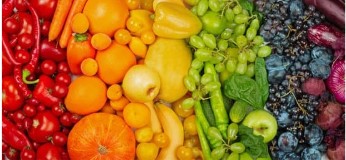
More Than Just Vitamins: The Power of Phytonutrients
When we talk about “eating the rainbow,” we’re primarily talking about phytonutrients—bioactive compounds found in plants that give them their vibrant colors. Unlike essential vitamins and minerals (which we must consume to avoid deficiency), phytonutrients are not “essential” for survival in the same way, but they are absolutely essential for optimal health and disease prevention.
These plant pigments act as powerful:
- Antioxidants: Neutralize damaging free radicals.
- Anti-inflammatories: Calm chronic inflammation, a root cause of many diseases.
- Detoxifiers: Support the body’s natural liver detox pathways.
- Immune modulators: Help regulate and strengthen immune function.
Each color group provides a unique signature of these protective compounds.
A Color-Coded Guide to Your Plate
Think of your grocery cart as an artist’s palette. Here’s what each brushstroke of color brings to your health canvas:
🔴 Red Fruits & Vegetables
(Lycopene, Anthocyanins)
Examples: Tomatoes, watermelon, pink grapefruit, red bell peppers, beets, strawberries, raspberries, cherries.
Why Eat Them: Lycopene is a potent antioxidant linked to reduced risk of certain cancers (especially prostate) and heart disease. Anthocyanins support brain health and memory.
🟠 Orange & Yellow Foods
(Beta-Carotene, Vitamin C, Flavonoids)
Examples: Carrots, sweet potatoes, pumpkin, butternut squash, mango, apricots, peaches, yellow bell peppers, pineapple.
Why Eat Them: Beta-carotene (converted to Vitamin A) is crucial for vision, immune function, and skin health. Vitamin C is a key antioxidant for collagen production and immunity.
🟢 Green Foods
(Chlorophyll, Lutein, Zeaxanthin, Folate)
Examples: Spinach, kale, broccoli, Brussels sprouts, asparagus, green beans, peas, avocado, kiwi, green grapes.
Why Eat Them: Lutein and zeaxanthin are the pigments for eye health, protecting the retina. Folate is vital for cell division and DNA repair. Chlorophyll may support detoxification.
🟣 Blue & Purple Foods
(Anthocyanins, Resveratrol)
Examples: Blueberries, blackberries, eggplant, purple cabbage, purple carrots, figs, plums, acai.
Why Eat Them: These are some of the most potent anti-inflammatory and antioxidant-rich foods. They are strongly associated with cognitive benefits, heart health, and healthy aging.
🟤 White & Brown Foods
(Allicin, Anthoxanthins, Potassium)
Examples: Garlic, onions, mushrooms, cauliflower, parsnips, bananas, Jerusalem artichokes, flaxseeds.
Why Eat Them: Don’t overlook this group! Allicin (from garlic/onions) has powerful antimicrobial and heart-protective properties. They are also great sources of prebiotic fiber to feed your gut bacteria.
⚪ Bonus: The Wild Card—Healthy Fats & Proteins
While not “colors,” adding healthy fats (avocado, olive oil, nuts, seeds) ensures fat-soluble vitamins (A, D, E, K) are absorbed, and lean proteins provide the building blocks for repair and satiety.
Common Pitfalls & How to Avoid Them
- “Rainbow” junk food is still junk food. Fruit-flavored candies, neon-colored cereals, and dyven sugary drinks are not what we mean. Focus on whole, unprocessed foods from the earth.
- Quantity over variety. You can eat a huge bowl of only red apples and miss out on everything else. Strive for at least 3 different colors per main meal.
- Ignoring the whites/browns. The pale group is easy to skip, but it’s foundational for flavor (garlic, onion) and prebiotics.
- Overcomplicating it. You don’t need every color every single day. Aim for a colorful balance over the week.
How to “Eat the Rainbow” in Real Life
1. Start with a Smoothie or Salad Base.
Toss a handful of spinach (green) with half a banana (white) and a cup of frozen berries (purple/red). Easy 3-color start!
2. Roast a Tray of Mixed Veggies.
Cube sweet potatoes (orange), red bell peppers (red), and broccoli (green). Toss with oil, salt, and pepper. A single dish, multiple colors.
3. Keep Frozen & Canned (in water, no salt/sugar).
Frozen mixed berries, peas, and no-salt-added tomatoes are cost-effective, nutrient-dense, and always colorful options.
4. Snack Strategically.
Keep washed carrots & bell pepper strips (orange/red/yellow), an apple (red/green), and a small container of mixed nuts (brown) with pumpkin seeds (greenish) handy.
5. Make Your Plate a Rule of Thumb.
Visualize your plate:
- Half = vegetables & fruits (the more colors, the better)
- One-quarter = lean protein
- One-quarter = whole grains or starchy veg
- A thumb-sized portion = healthy fats
The Bigger Picture: It’s About Lifestyle, Not Perfection
“Eating the rainbow” isn’t a restrictive diet. It’s a positive, additive framework—a reminder to explore and include a wider variety of plant foods. This naturally increases your fiber intake, improves gut microbiome diversity, and fills you up with fewer empty calories.
The benefits compound: a diverse gut microbiome (fed by colorful fiber) improves mood, immunity, and metabolism. Reduced systemic inflammation lowers the risk of heart disease, diabetes, and certain cancers. It’s a simple, joyful way to nourish your entire system.
Your challenge this week? Next time you shop, pick one unfamiliar fruit or vegetable in a color you don’t usually buy. Try it. Your body—and your taste buds—will thank you for the new splash of color.



Leave a Reply